 Record pending
01
Preserve
Objects and records held in trust, catalogued to museum standard.
Rwanda · Est. as a community museum
Discover the Queen, the stories, objects, traditions and community that keep this heritage alive.
Enter the memory. Discover the legacy. A museum built by a community around the woman whose name it carries.
Threshold
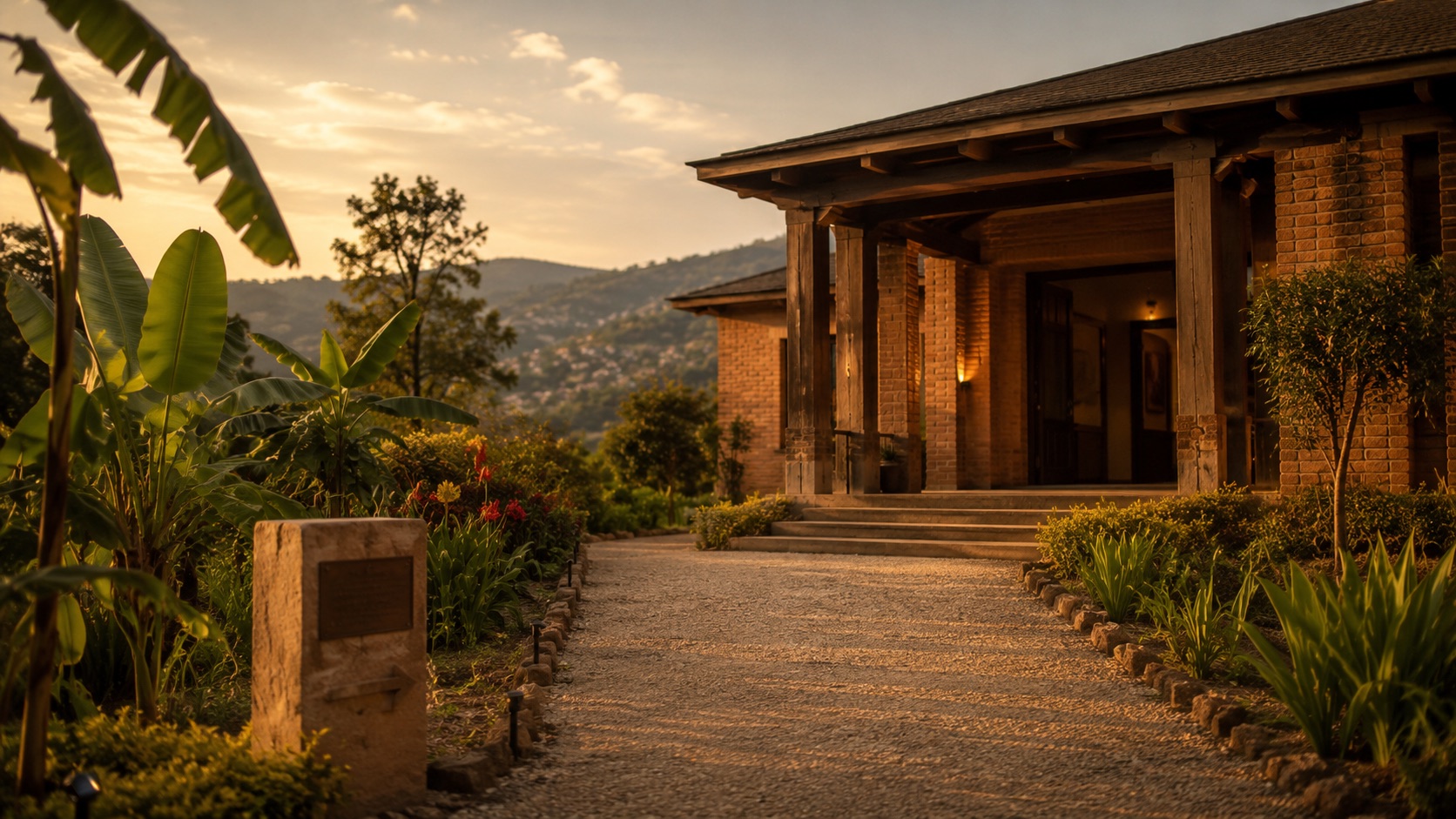
01 / Place
02 / The Queen
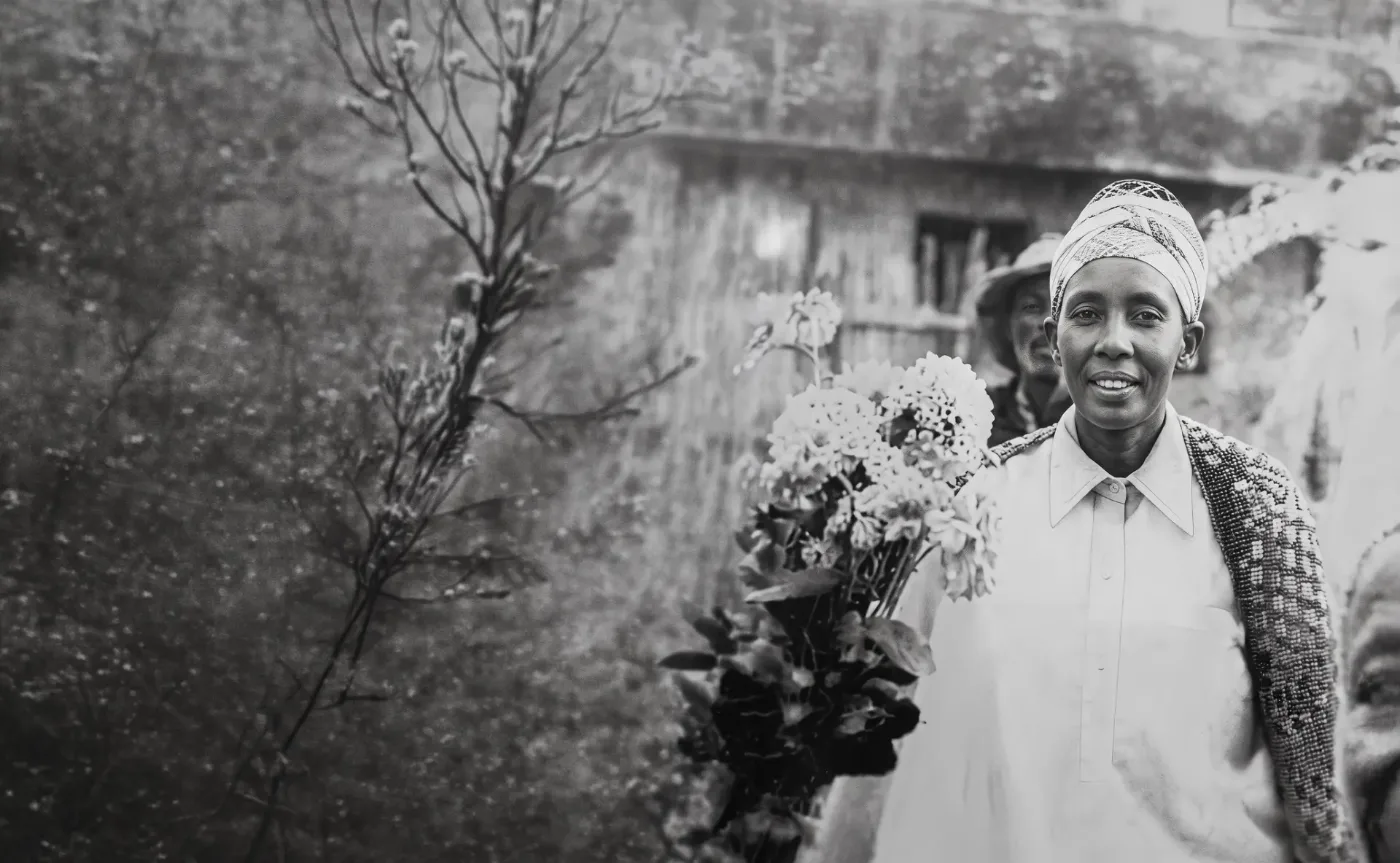
The museum is named for Queen Nyirakabuga. Her biography, the record of her life and the accounts held by the community are being gathered, verified and prepared for publication with historians and family custodians. What is presented here will be sourced and attributed.
Identity
Name, lineage and the meaning carried in it
Royal heritage
Court, ceremony and the world around her
Objects
What her household kept and used
Memory
How she is remembered here today
03 / Heritage
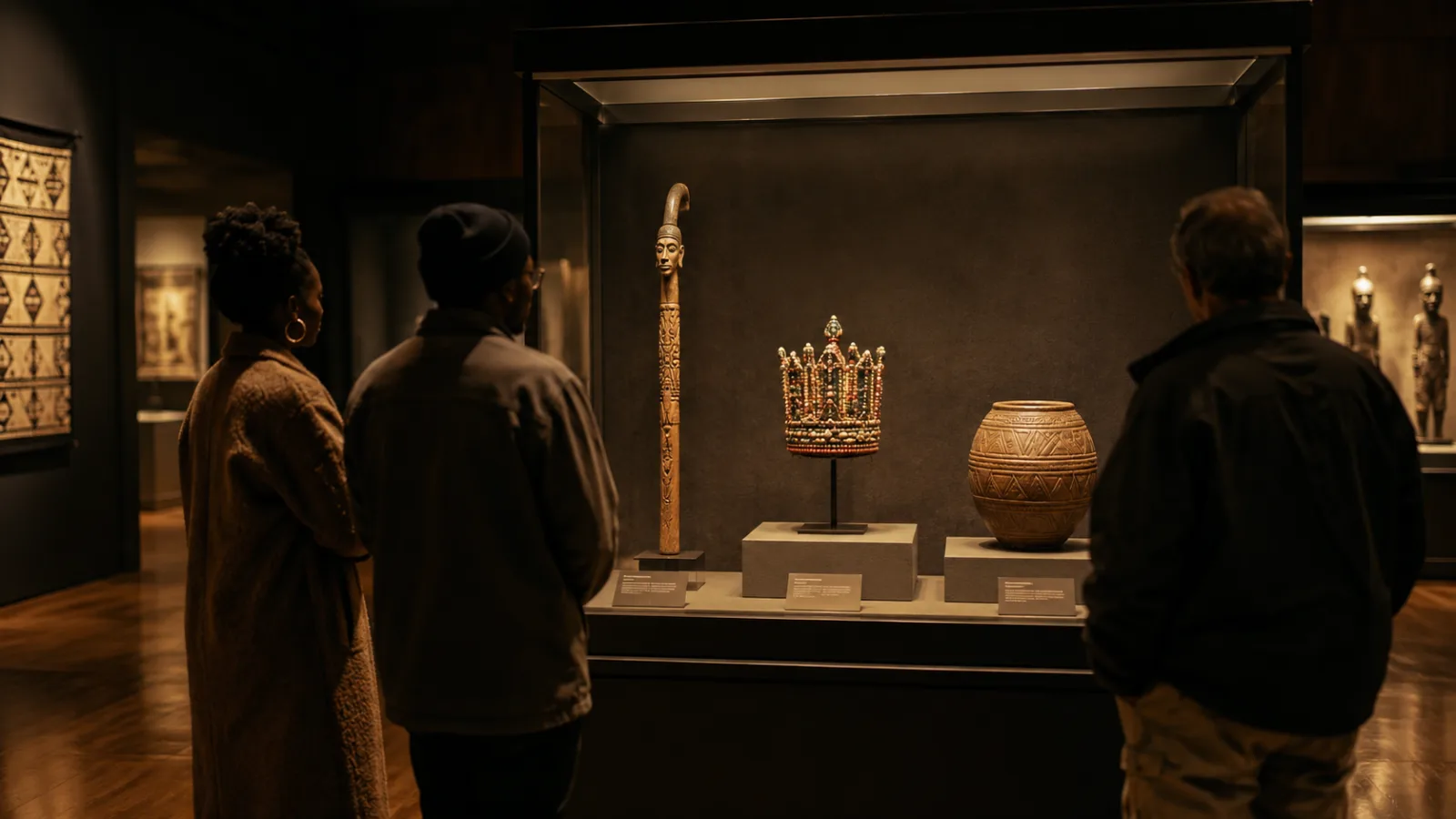
The museum preserves objects, documents, photographs and living testimony connected to Queen Nyirakabuga and the community that carries her memory forward.
Through conservation, interpretation and teaching, these materials remain where they belong: within the community whose history they hold.
The royal seal
Memory · Lineage · Guardianship
01
Preserve
Objects and records held in trust, catalogued to museum standard.
02
Interpret
Research and exhibitions that explain what the material means.
03
Transmit
Teaching, oral-history recording and work with younger generations.
04 / Objects
Cataloguing is in progress. The records below are placeholders showing how each object will be presented once its documentation is complete.
Record pending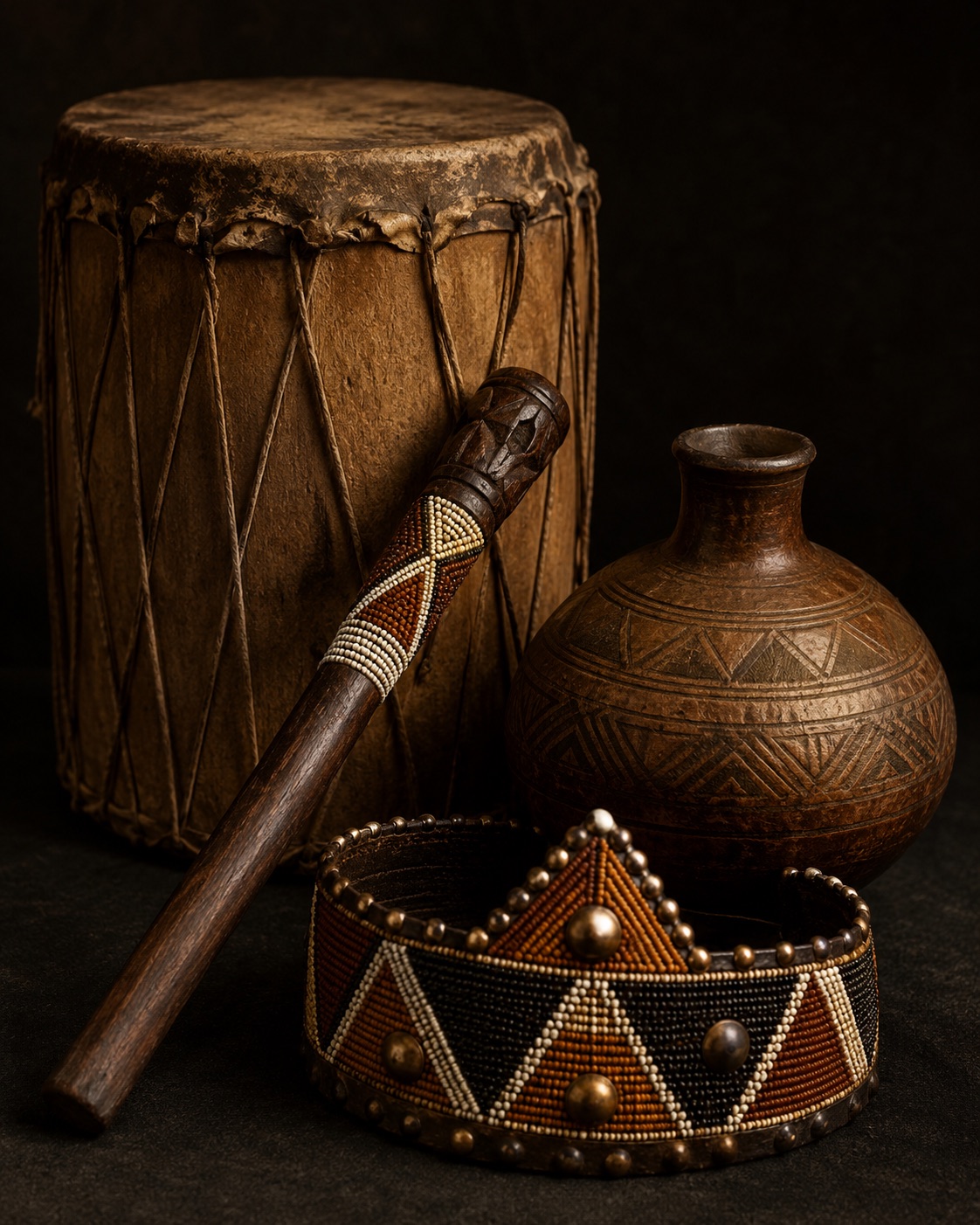 Record pending
 Record pending
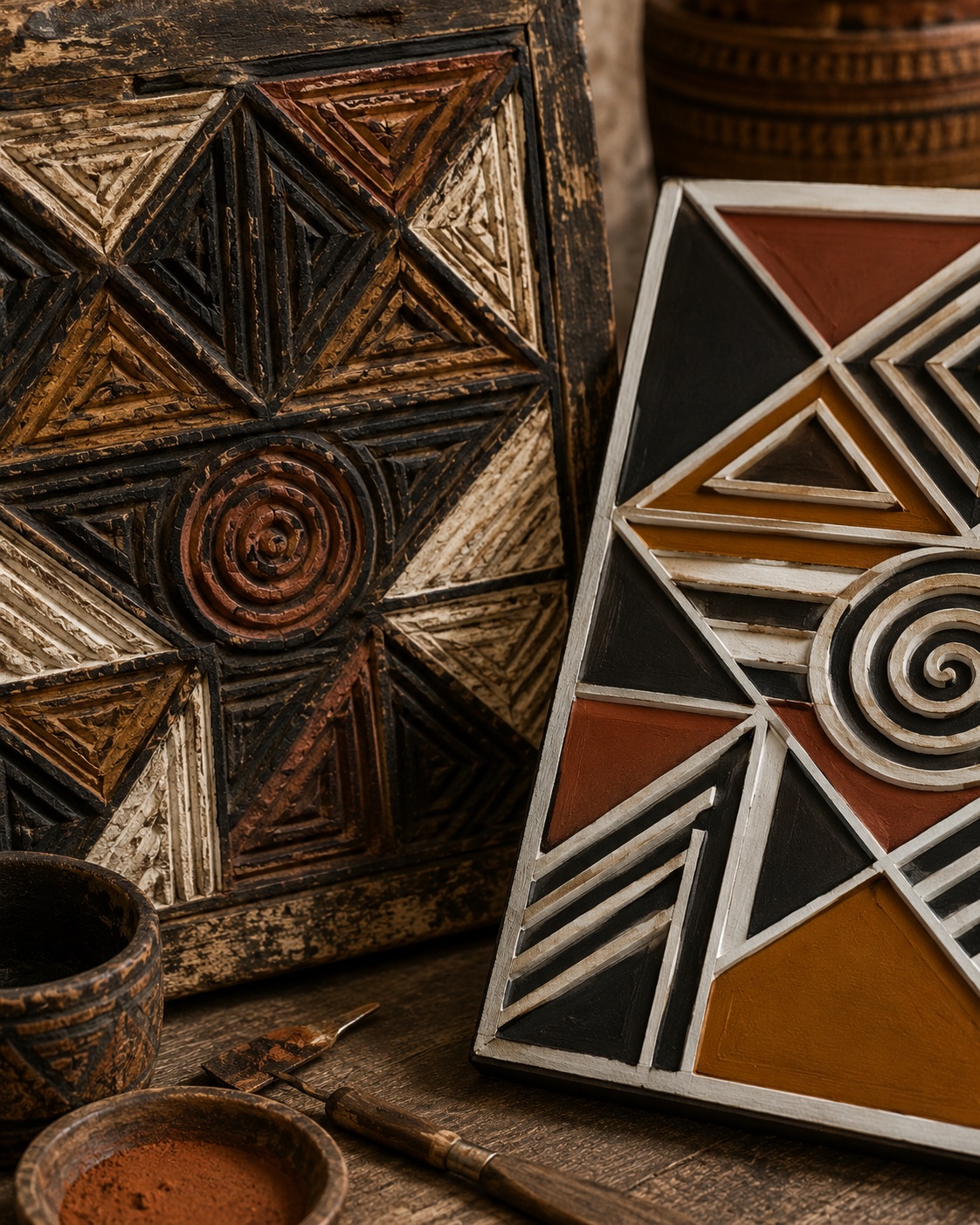 Record pending
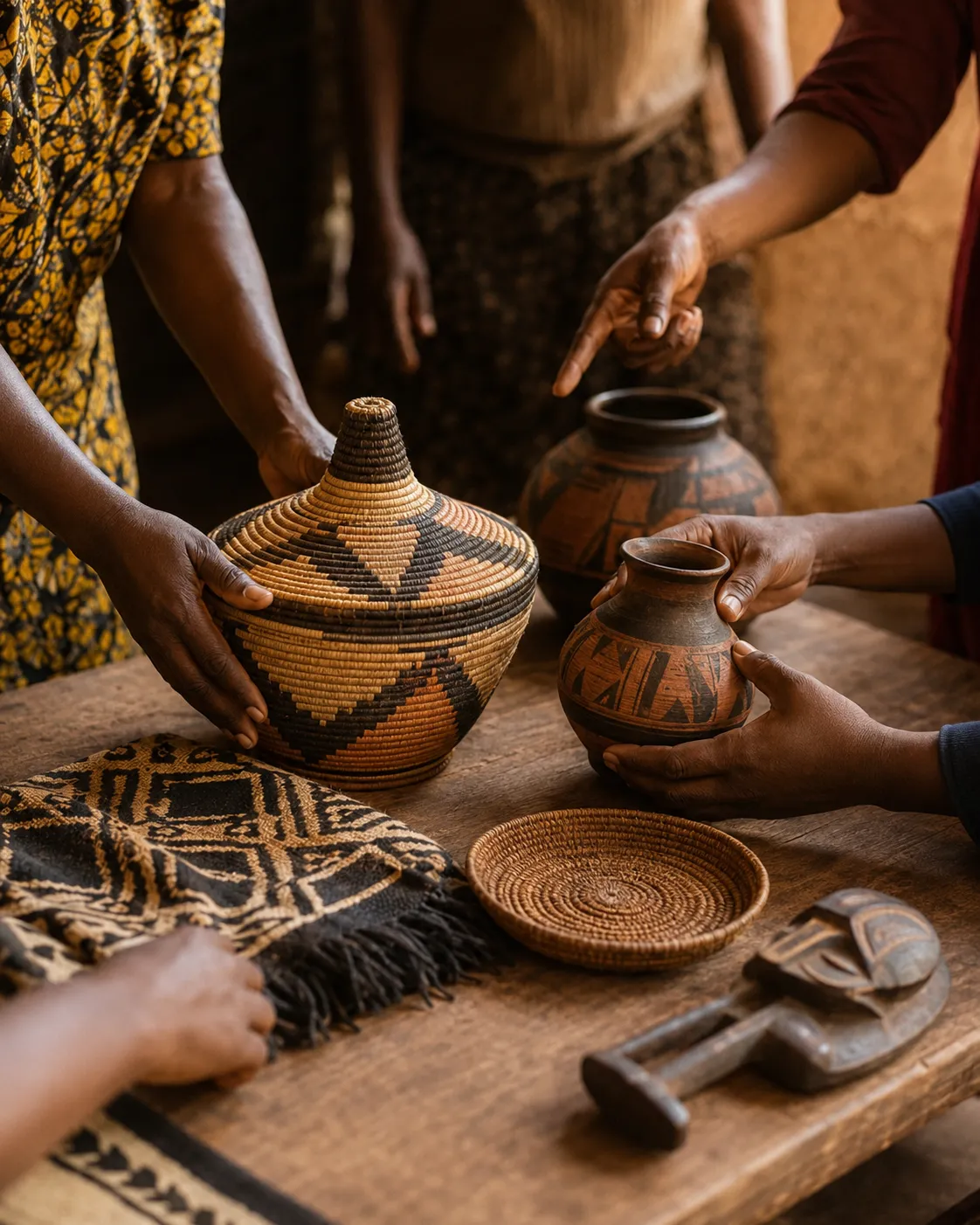 Record pending
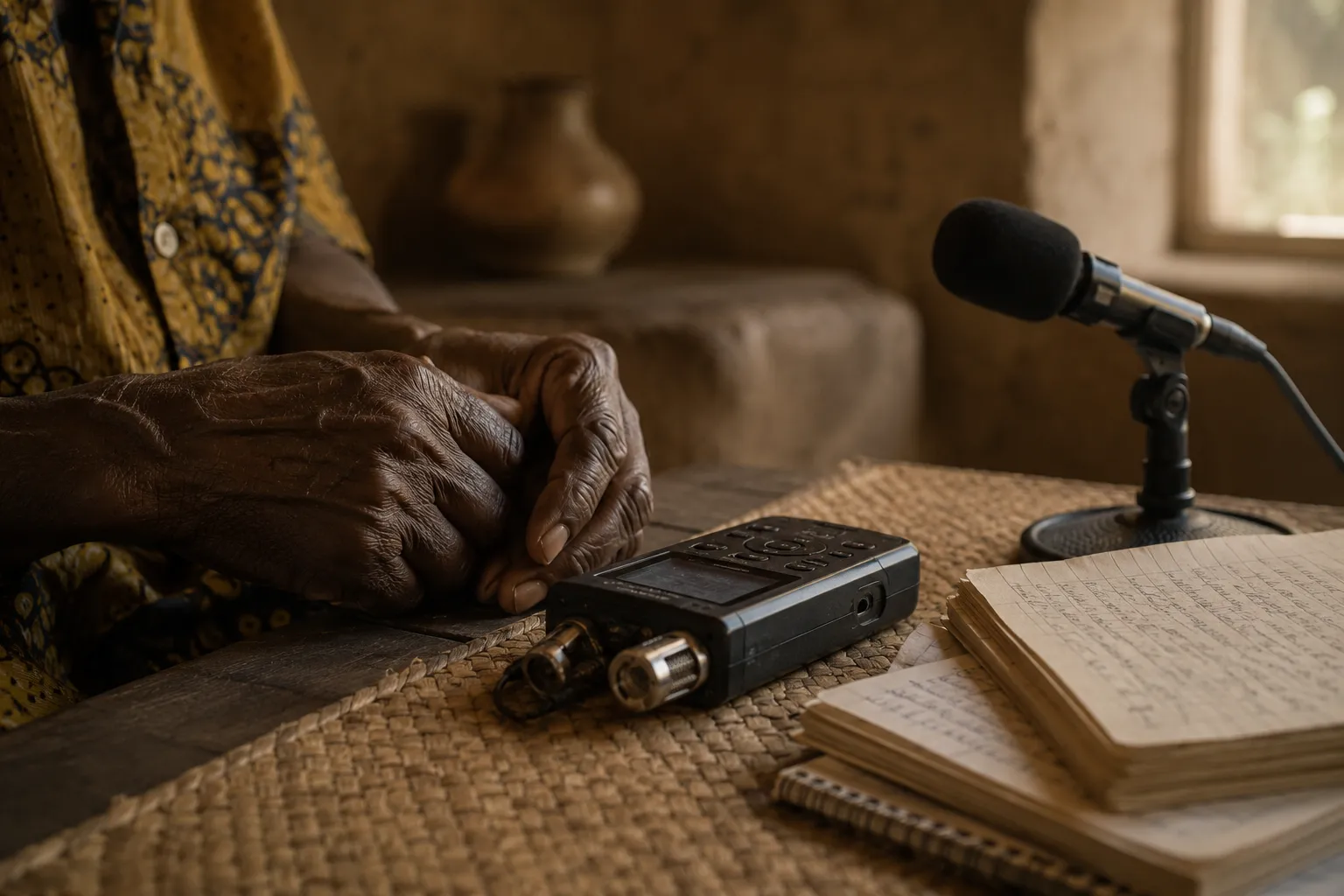 Record pending
05 / Stories
Sample editorial layout. Titles and credits are placeholders until the first issue is commissioned.
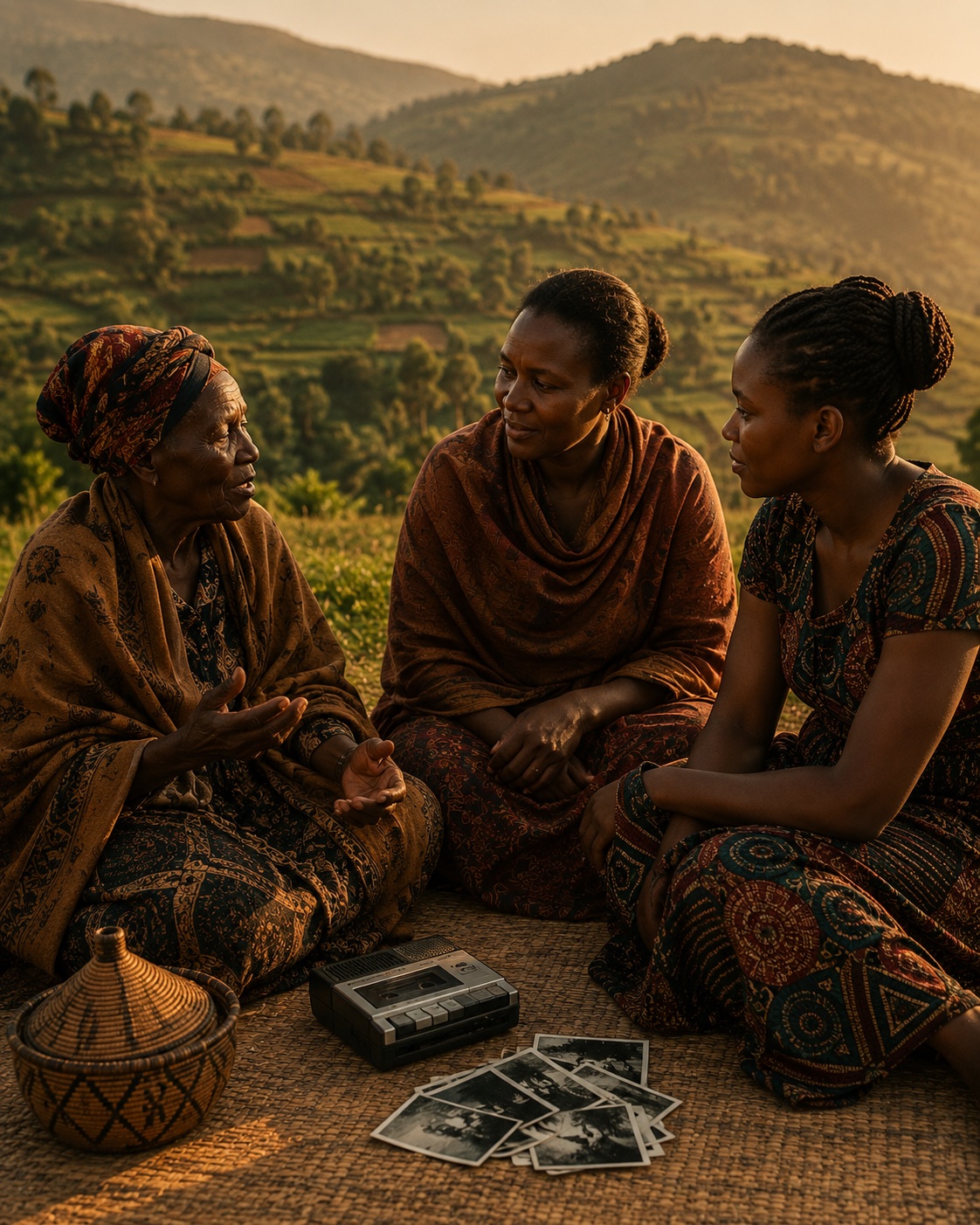
People & community · Placeholder
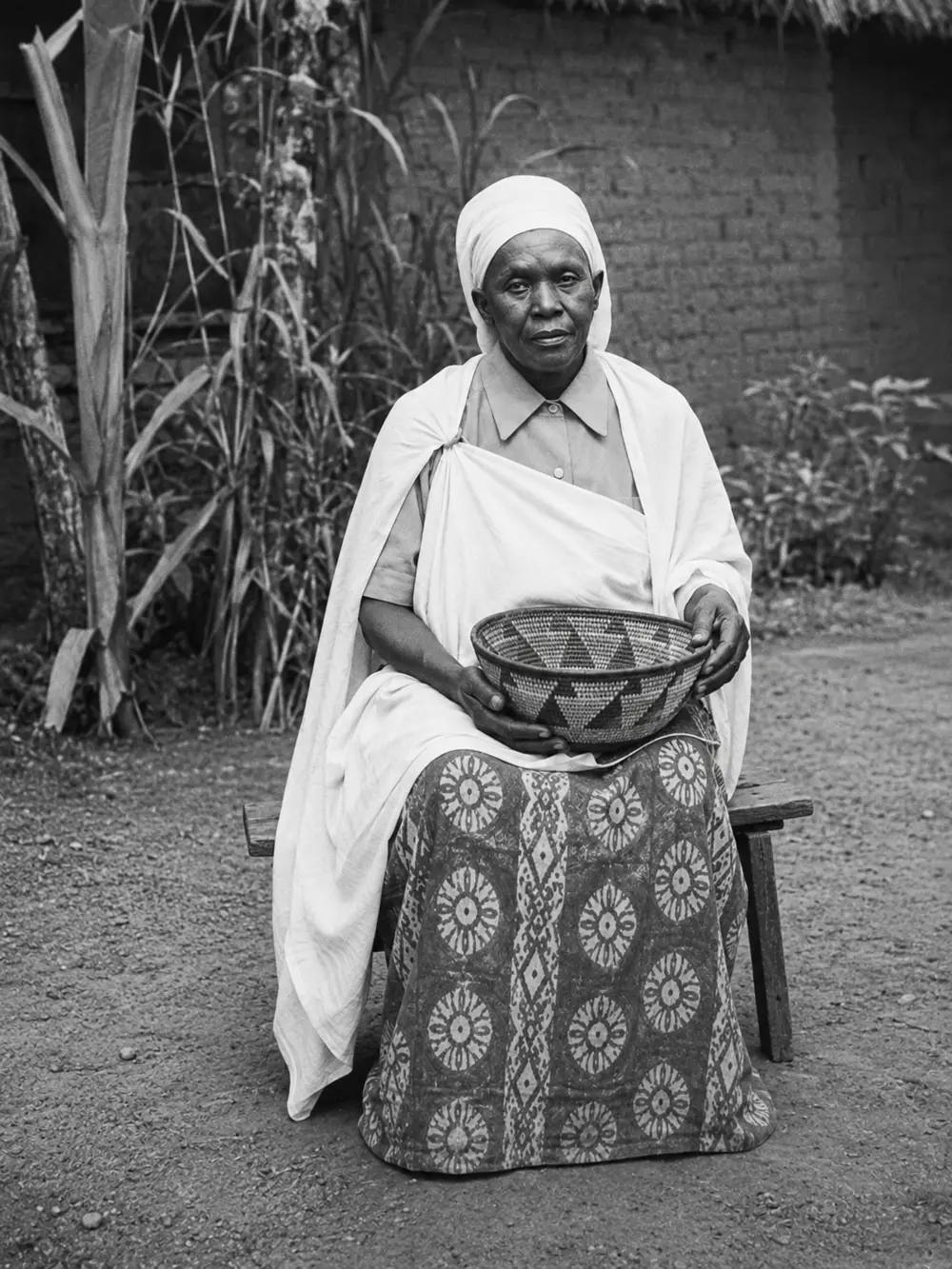
A working example of the long-form story format: a single interview, photographed in the room where it was recorded, with the transcript held in the archive.
Contributor to be credited9 min read
Read the story →Object stories · Placeholder
Format example · 6 min read
Memory & place · Placeholder
Format example · 8 min read
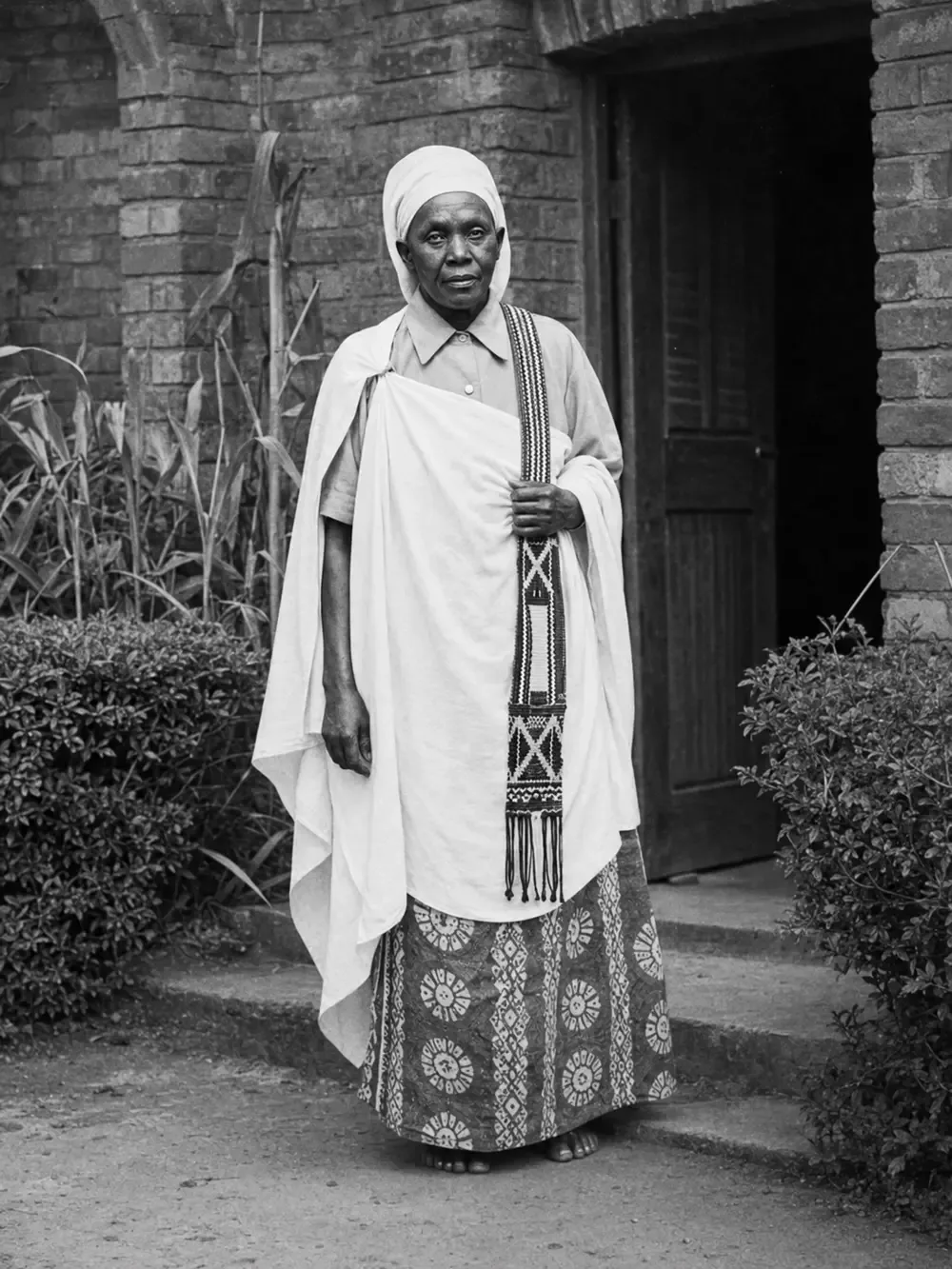
Royal heritage · Placeholder
Format example · 11 min read
Digital exhibitions
Each exhibition is a themed sequence of chapters, objects and stories with its own atmosphere, built on the same identity.
06 / Community
The museum is a community institution. Its programmes, workshops and recordings are made with the families, elders, students and craftspeople who keep this heritage in daily use.
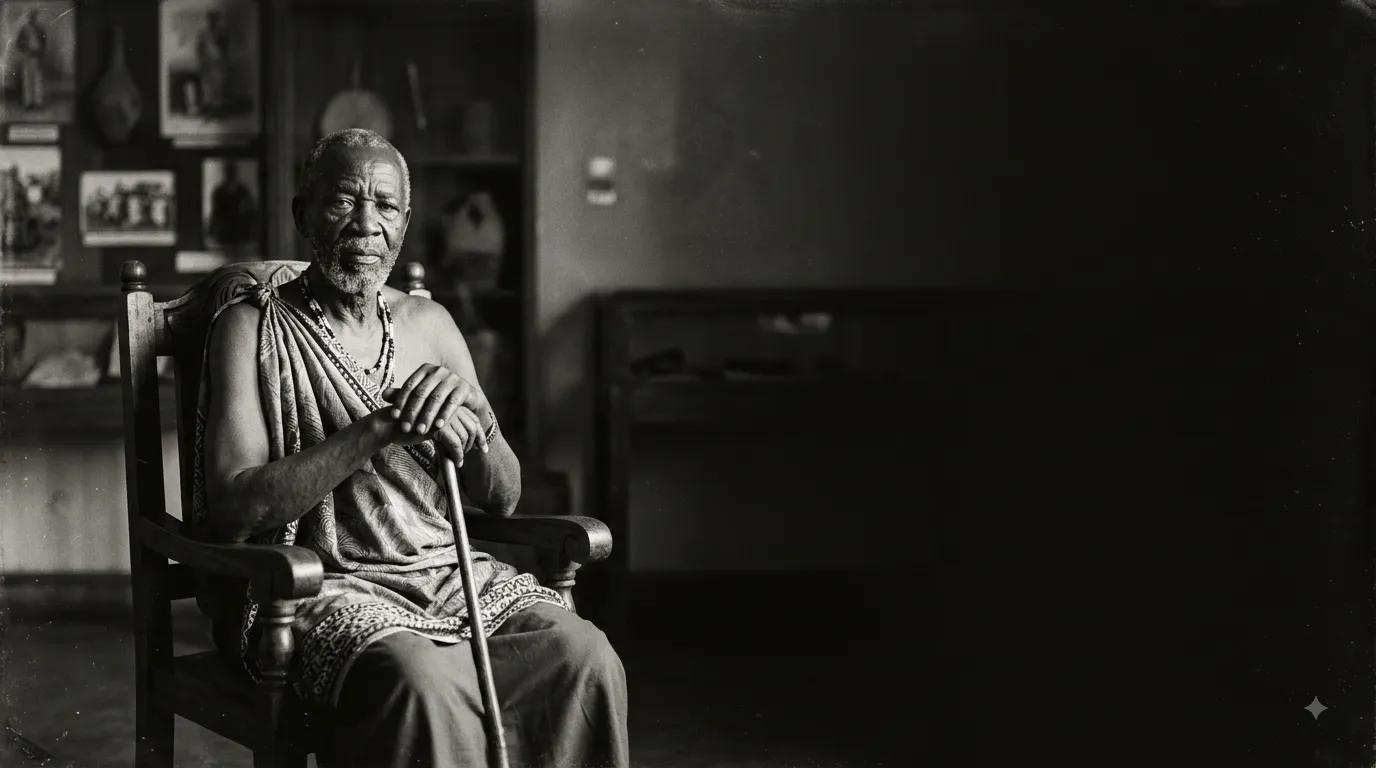
A community elder in the museum, caption pending
Handling session, caption pending
Oral history recording
Ongoing programme
Craft workshops
Monthly, with local makers
School partnerships
Term-time
Community open days
Dates to be announced
Izuba / The movement of time
Date to confirm
The Queen and her household
Date to confirm
The site and its role
Date to confirm
Objects enter community care
Date to confirm
The museum is established
Present
Cataloguing and oral history recording
The digital archive
Documents, photographs, recordings and object files, open to researchers, teachers and family custodians.
Filter by
Programmes are built for five audiences. Each has its own visit format, materials and booking route.
Schools
Curriculum-linked visits and classroom materials
Students
Study visits and supervised archive access
Families
Short guided routes and holiday activities
Researchers
Reading-room appointments and object requests
Practitioners
Craft residencies and knowledge exchange
07 / Visit
Location
Site address to be confirmed Rwanda
Opening hours
Tuesday to Sunday Hours to be confirmed
Admission
Admission policy to be confirmed Free for school groups
Getting here
Directions by road and public transport Parking on site
Accessibility
Step-free entrance and galleries Assistance available on request
Contact
Telephone and email to be confirmed Group bookings by appointment